Seminar
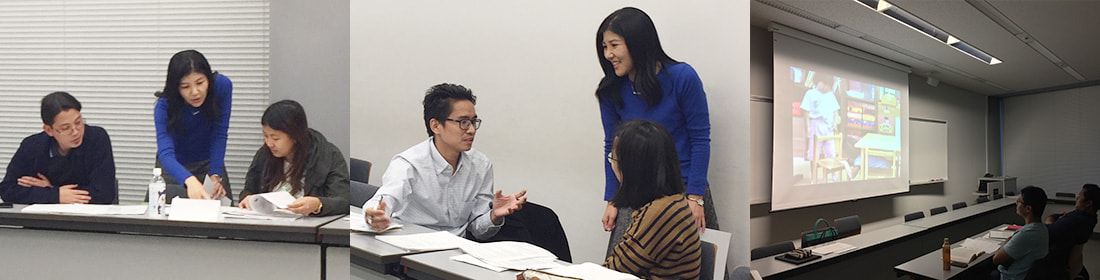
- セミナーでは、メンバー1人1人が、自分自身の興味に基づいてテーマを設定し、文献を読み、データを収集して、レポートを書く作業をしていきます。発見したことや自分の意見を発表し、仲間と議論をかわして、研究テーマを探究していきます。現在、2つのセミナーを担当しています。
- In my seminar, each student finds the topic according to his/her interest, reads literature on that topic, collects data if necessary, and writes a paper. We have a lot of discussion. It is a rich learning experience to get feedback from your peers as well as to present your ideas and opinions. I have two seminars now, one focusing on education, the other on childhood.
比較教育/Comparative Education
- このセミナーでは、日本・世界各国の教育を比較の視点から学んでいます。日本人研究者・世界の教育研究者の行ってきた、幼児教育をはじめ、初等・中等教育と教育全般に関する社会学的研究、文化人類学的研究、比較教育学的研究を読み進めていきます。また、教育に関するグローバル化やローカル化、教育への文化的要因なども考察していきます。
- This seminar explores international education and Japanese education in comparative perspective. We read sociological, anthropological, and comparative perspectives studies of education, from both Western and Japanese educational researchers. We also cover issues of globalization and localization in education and cultural factors in education.
-
2025
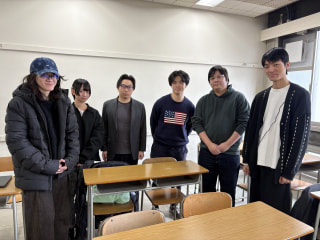
今学期は、ゲストスピーカーをお招きして、ネパールの教育について、お話を伺うことができました。各自のプロジェクトでは、ブラジル、中国、日本、アメリカ、フランスと、様々なテーマで様々な地域に焦点を当てました。
We were able to invite a guest speaker this semester to learn about education in Nepal. Each student conducted a mini-research project focusing on the area that she/he is interested in including Brazil, China, Japan, the United States, and France. -
2025
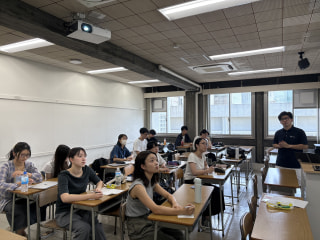
日本以外の国で、義務教育の一時期を過ごしたことのあるメンバーと日本のみで義務教育を受けたメンバーが半々という面白いグループでした。お互いの経験を共有、議論し、多くの学びがあったことと思います。
This class had wonderful diversity. Half of the students received their compulsory education outside of Japan, and the other half received theirs in Japan. We shared our experiences and had many discussions. -
2024
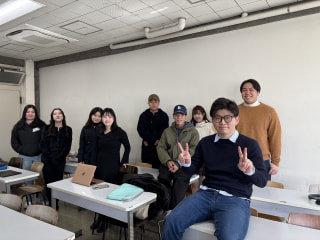
今学期は、ゲストスピーカーをお招きし、ネパールとケニアの教育について、お話を伺うことができました。各自のプロジェクトでは、インド、マレーシア、シンガポール、中国、フィンランド、ドイツ、イギリス、アメリカ、日本、と様々な地域に焦点を当てました。
We were able to invite guest speakers this semester to learn about education in Nepal and Kenya. Each student conducted a mini-research project focusing on the area that she/he is interested in including India, Malaysia, Singapore, China, Finland, Germany, England, the United States, and Japan.
国際化のなかで育ちゆく子どもたち/International Perspectives on Childhood
- 国際化の中、各国・各文化で、どのように子どもたちは育ち、どのように育てられているのか。文化人類学・比較教育学・社会学・文化心理学・発達心理学などの学問領域の研究を取り上げ、多方面から子どもの育ちへの理解を深めていきます。メンバー1人1人、疑問点を設定し、研究プロジェクトを進めています。
- This seminar aims to explore cultural variations in how children are growing up, being reared, and educated in an era of globalization and internationalization. We look at childhood, parenting, and early childhood education from various disciplinary perspectives including anthropology, comparative education, sociology, cultural psychology, and developmental psychology. The seminar member conduct their own research projects (individually or in groups) according to their interest.
-
2025
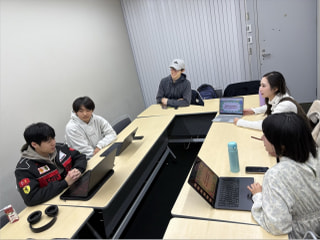
個人プロジェクトとグループプロジェクトに分かれ、合わせて3つのプロジェクトとなりました。各プロジェクトで、知りたいことを絞り、調査方法を考え、データを集めて分析し、興味深い結果を得ることができました。
There are three research projects: two individual and one group. Students think about their interests, the most suitable research method for their questions, and how to collect and analyze data. All of the projects were interesting! -
2024
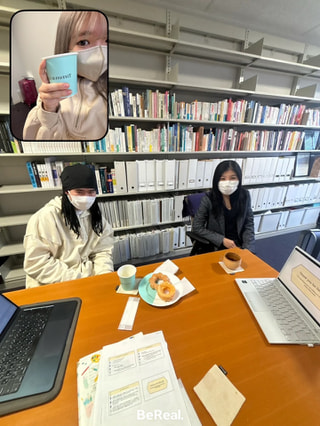
今年度はプロジェクトに力を入れました。フィールドワークが実施できる状況に感謝です。
We focused on the research project. It was great that we were able to conduct fieldwork. -
2023
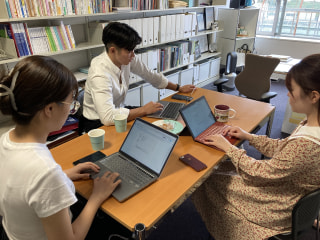
今年度は少人数となりました。ウィズコロナ・アフターコロナの社会の動きに伴い、少し外に出てフィールドワークを実施できたらと思っています。
We have a small group this year. We’ll try to do something new, such as fieldwork together.
質的研究法/Qualitative Research Methods
- この授業では、インタビュー、観察、エスノグラフィ、ナラティブ研究、事例研究など、様々な質的研究法を紹介します。それらの研究法を試し、自分の研究テーマ・興味に合う質的研究法は何かを考え、その技法を身につけることを目標としています。学期末には、授業で学んだ質的研究法の1つを用い、各自が実際に調査を行います。
- This course aims to develop students’ understanding of different qualitative research methods. The qualitative research methods we deal with include interviewing, observation, ethnography, narrative inquiry, and case study. Time in each class session give students the opportunity to practice using a variety of social science research methods. At the end of the semester, students conduct their own project using one of the qualitative research methods that we learn in this course.